Navigating Japan’s Transportation System: A Guide for International Students
A
Admin
Guide Contributor
📅 Aug 04, 2026
•
⏱️ 3 min read
•
👁️ 25
For international students embarking on their academic journey in Japan, navigating the country’s transportation system is essential for a smooth and enriching experience. Japan’s transportation network is renowned for its efficiency, punctuality, and accessibility, making it one of the most traveler-friendly countries in the world. In this blog, we will provide an in-depth guide to help international students understand and utilize Japan’s various transportation options efficiently.
.
Trains: The Backbone of Japan’s Transportation
Japan boasts an extensive and efficient train system, with the Shinkansen (bullet trains) being the most iconic. As an international student, you’ll likely use local trains and subways for daily commuting and the Shinkansen for intercity travel. Consider purchasing a Japan Rail Pass if you plan to travel extensively during weekends or school breaks, as it offers significant cost savings for foreign tourists.
.
IC Cards: A Convenient Payment Option
IC cards, such as Suica or Pasmo, are rechargeable smart cards that provide a convenient way to pay for trains, subways, buses, and even purchases at some stores. As an international student, getting an IC card is highly recommended, as it simplifies the payment process and eliminates the need to buy individual tickets for every trip.
.
Buses: An Alternative Mode of Transport
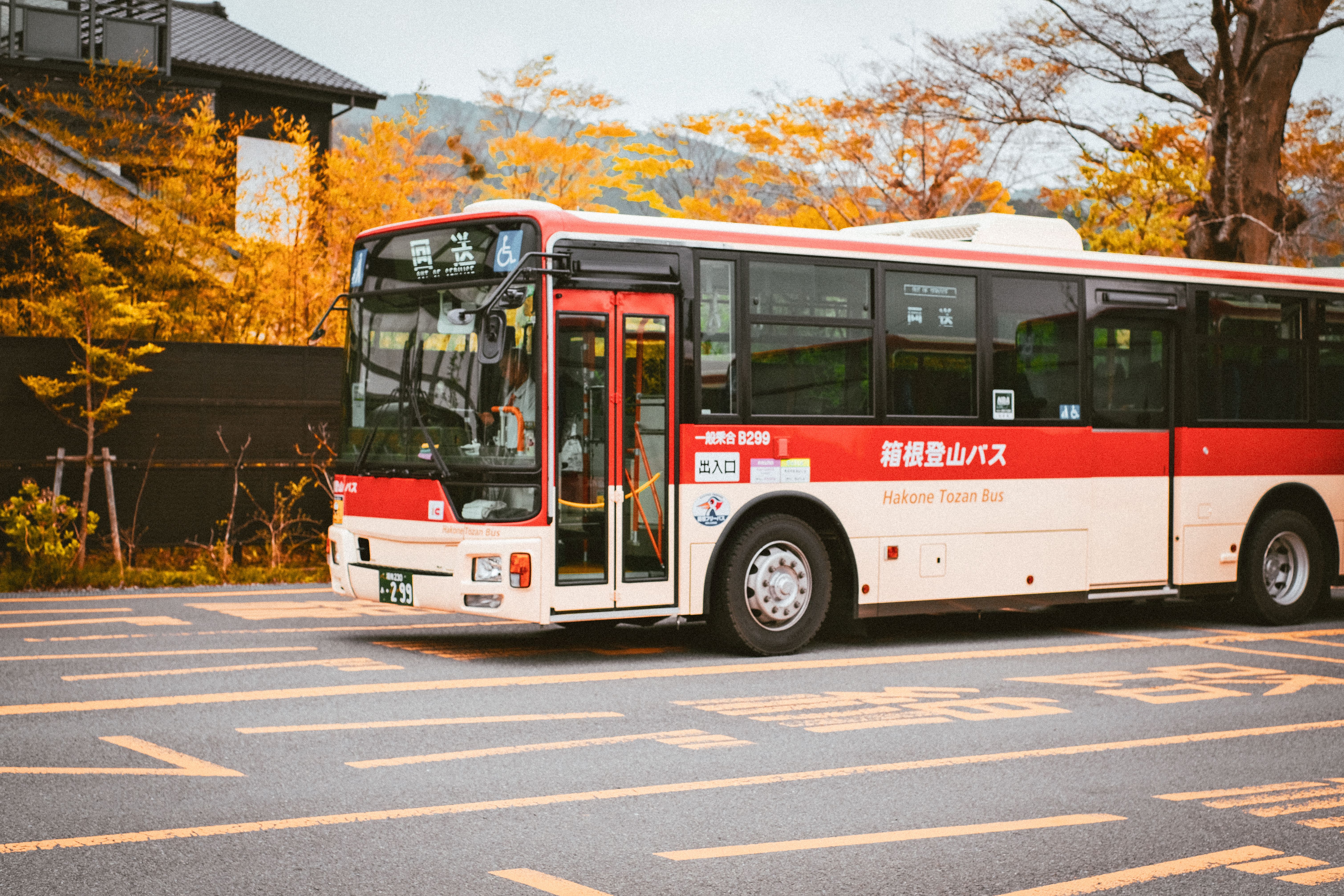
Buses complement Japan’s railway network, especially in areas with limited train access. They are a cost-effective option for short trips and serve well in rural regions. Utilize bus apps or websites for route information and schedules.
.
Bicycles: Eco-Friendly and Healthy Commuting
Many Japanese cities are bicycle-friendly, and cycling is an excellent way to explore the local area while promoting an eco-friendly lifestyle. Universities often provide bicycle rental services, and some cities offer dedicated cycling lanes and parking spaces.
.
Walking: Embrace the Pedestrian Culture
In Japan, walking is not just a mode of transportation; it’s an experience. Embrace the pedestrian culture and explore your surroundings on foot. Many hidden gems can be discovered while strolling through quaint neighborhoods and historic streets.
.
Taxis: A Convenient but Costlier Option
Taxis are readily available in urban areas and can be useful for late-night trips or when public transportation is unavailable. However, taxis in Japan are relatively expensive compared to other modes of transport, so it’s best to use them sparingly.
.
Student Commuter Passes
Some regions offer special commuter passes at discounted rates for students, providing further cost savings on daily transportation expenses. Inquire with your university’s international office or local transportation authorities about these passes.
.
Language Tips
While most major transportation hubs and signs in Japan are displayed in English, learning basic Japanese phrases related to transportation can be helpful. Practice saying common words like “train,” “bus,” “ticket,” and directions to ensure smoother interactions during your travels.
.
Safety and Etiquette
Japan’s transportation system emphasizes safety and etiquette. Wait in designated areas, let passengers exit before boarding, and avoid talking loudly on trains and buses. Additionally, be mindful of priority seating for elderly and disabled passengers.
.
Conclusion
.
Japan’s transportation system is a marvel that seamlessly connects cities, towns, and villages, offering international students a gateway to explore the wonders of this beautiful country. By familiarizing yourself with the various transportation options and cultural norms, you can navigate Japan with confidence and independence. Embrace the journey, make new friends during your commute, and savor the unique experience of traveling through the Land of the Rising Sun. Whether you’re commuting to class or embarking on weekend adventures, Japan’s transportation network will ensure that every trip is an opportunity for discovery and cultural immersion.
Share this guide: